
Ethiopian Airlines, Africa’s largest and most profitable carrier, is reportedly preparing to place a significant order for new regional aircraft. According to recent remarks by the airline’s CEO, the carrier is evaluating at least 20 new regional jets, with a possible announcement timed for the 2025 Paris Air Show.
Who’s in the Running?
Ethiopian Airlines is currently evaluating three aircraft families for the regional jet order, each offering a unique balance of capability, efficiency, and cost:
Boeing 737 MAX 7
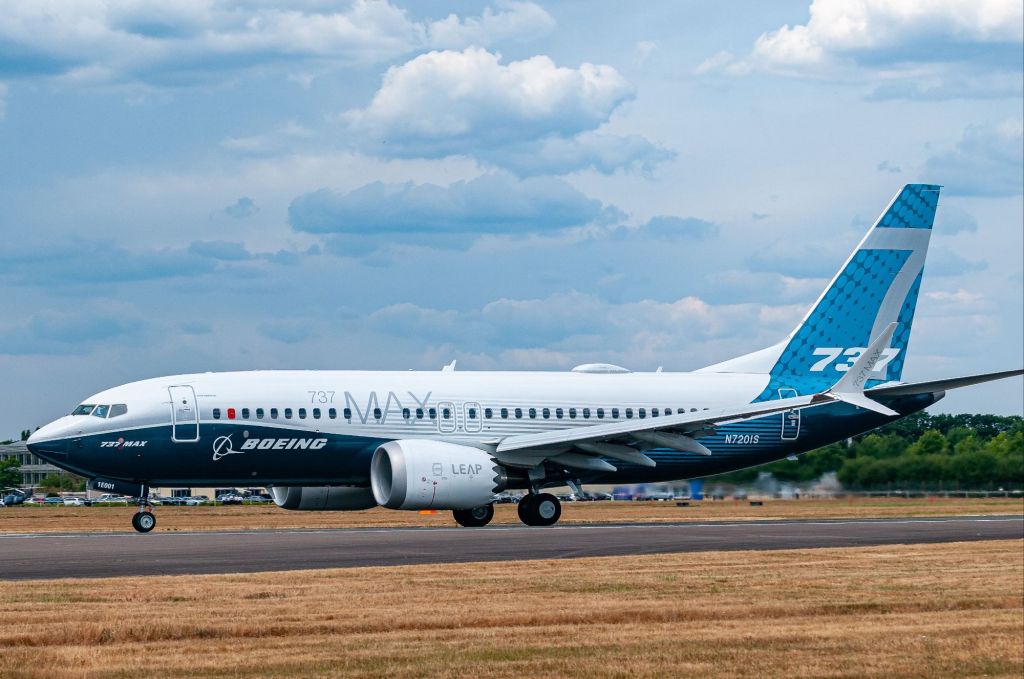
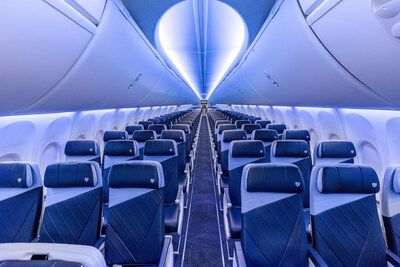
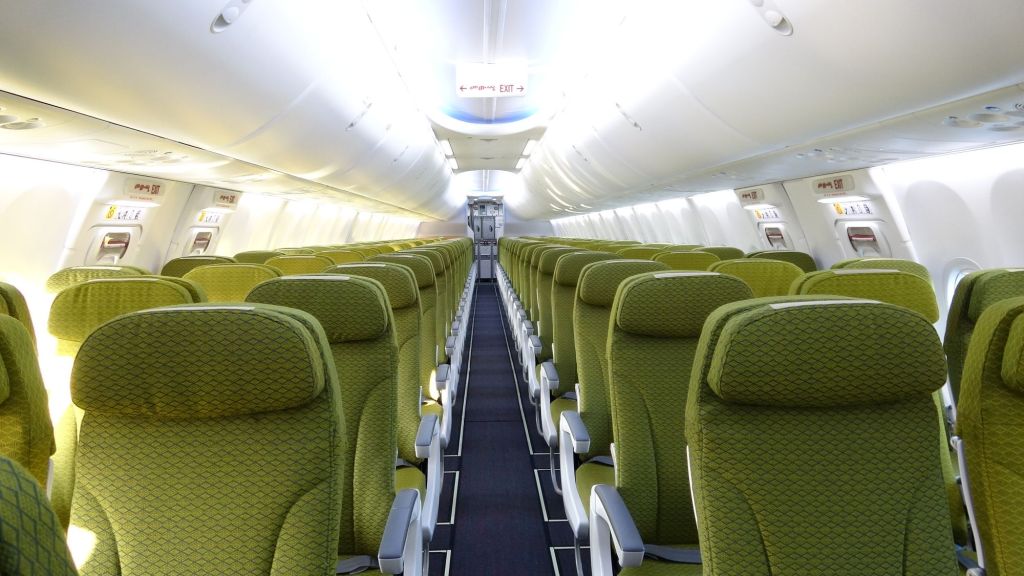
- Seating: 138–153 passengers
- Strengths:
- Part of the existing MAX family already in Ethiopian’s fleet
- Offers greater capacity than regional competitors
- Fleet commonality
- Concerns:
- Certification delays. The MAX 7 is still awaiting full FAA clearance
- Brand trust issues following the MAX 8 grounding and past incidents
The MAX 7 could make logistical and financial sense from a fleet commonality standpoint, but its larger size may overshoot Ethiopian’s target for true regional operations.
Embraer E-Jet E2 Series
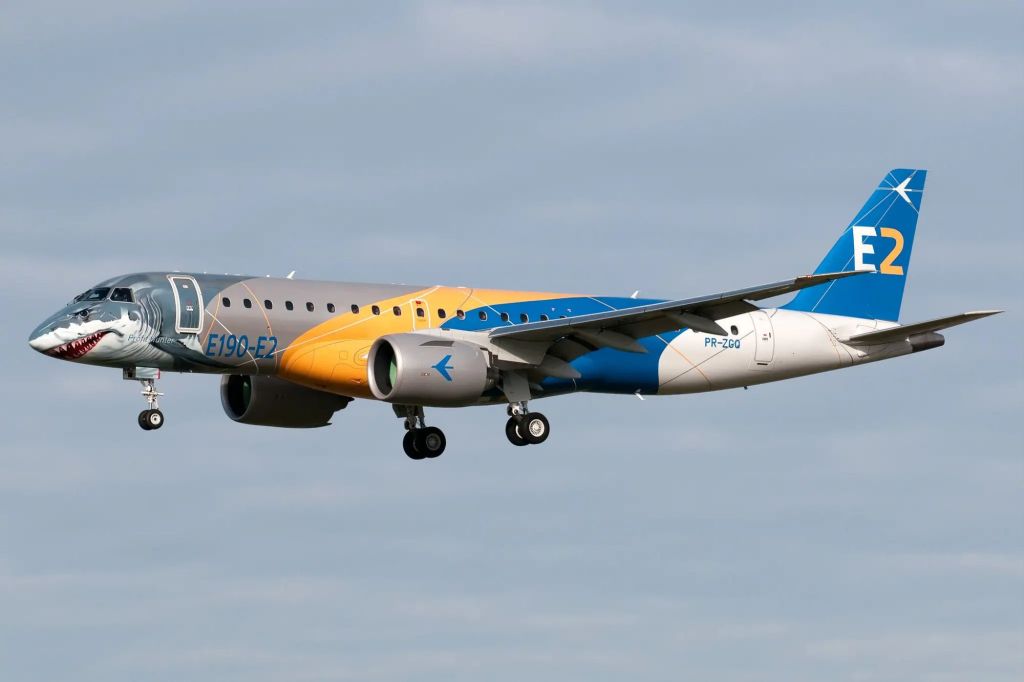
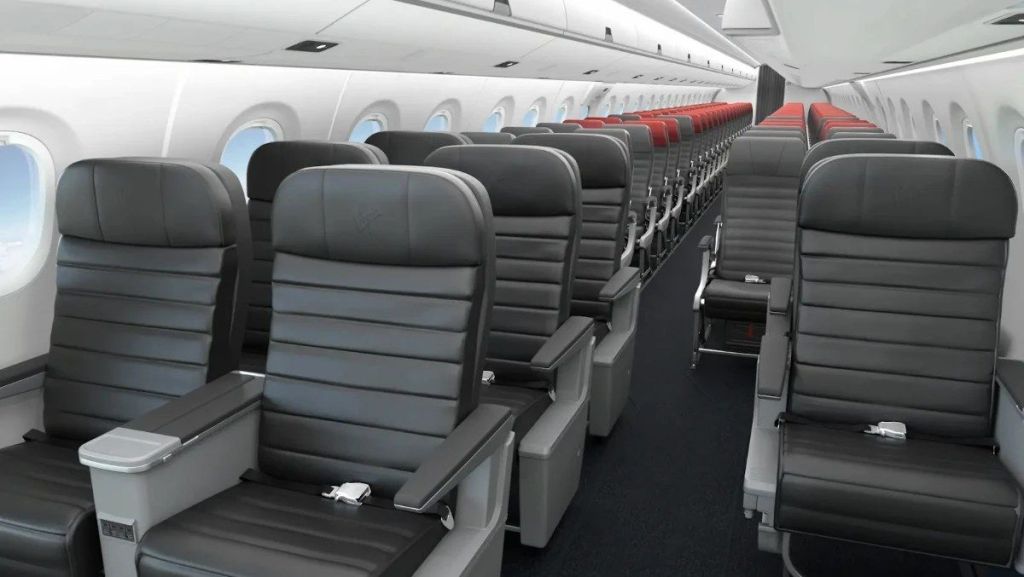
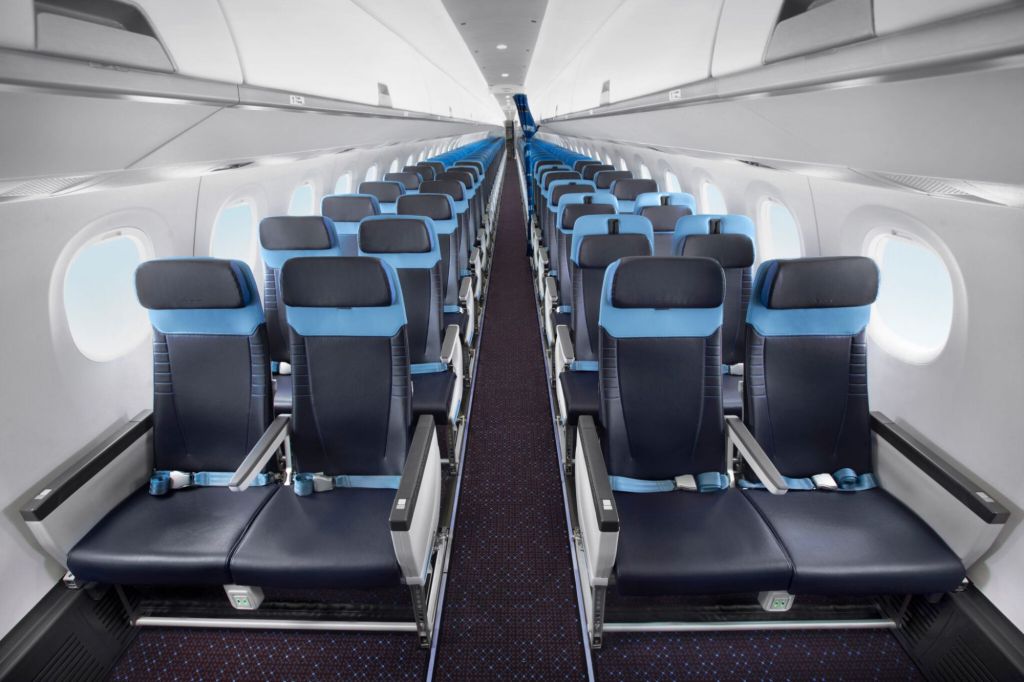
- Seating:
- E190-E2: 100–114 passengers
- E195-E2: Up to 146 passengers
- Strengths:
- Excellent fuel efficiency
- Low trip costs make it ideal for thinner domestic and regional routes
- Smaller size fits within the ideal “regional” category
- Concerns:
- Powered by Pratt & Whitney GTF engines, which have faced ongoing reliability challenges
- No existing Embraer fleet at Ethiopian, meaning higher integration costs
The E2 family strikes a sweet spot in terms of capacity and economics, but reliability and maintenance uncertainty could hinder Ethiopian Airlines’ progress.
Airbus A220-100 and A220-300
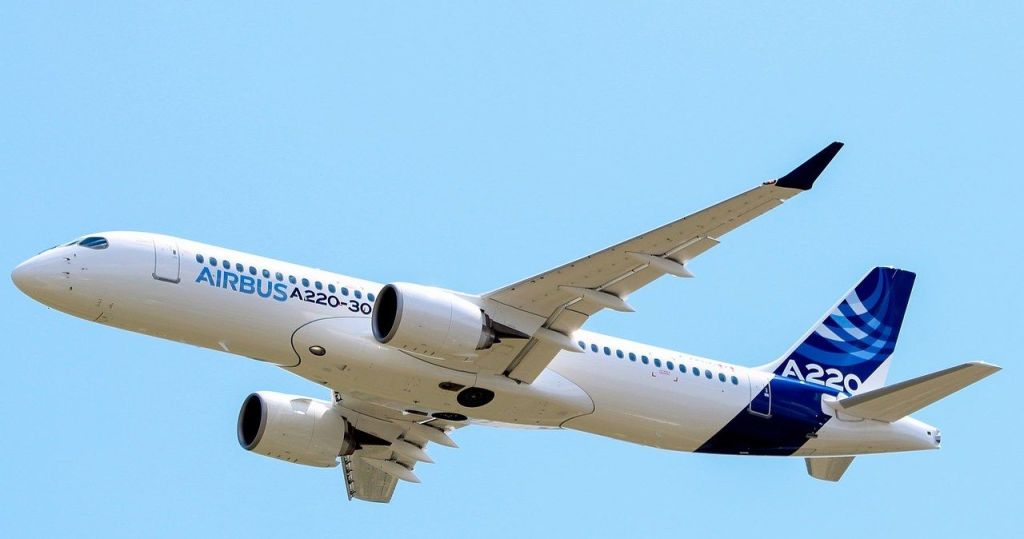
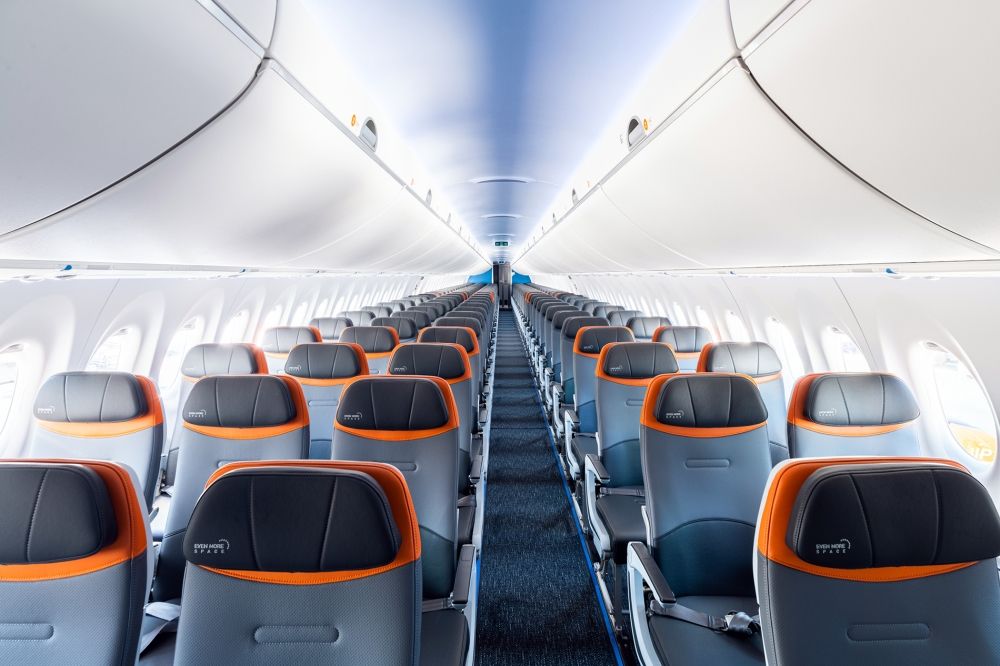
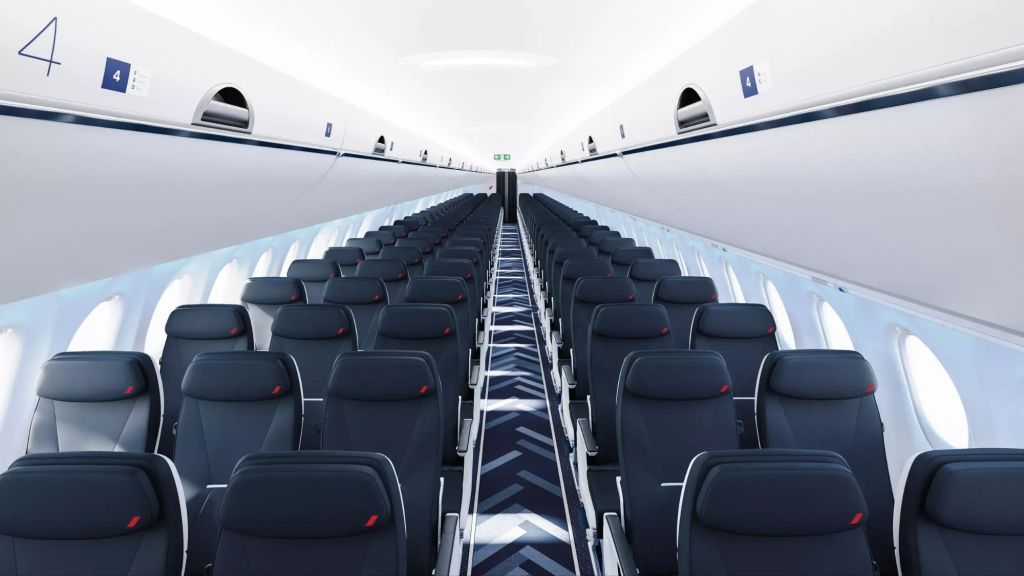
- Seating:
- A220-100: 108–133 passengers
- A220-300: 130–160 passengers
- Strengths:
- Advanced design with excellent fuel burn and lower emissions
- Wide cabin, quiet operation, and high passenger satisfaction
- Ideal range for intra-African connectivity
- Concerns:
- Also uses Pratt & Whitney GTF engines, raising similar reliability flags
- Increased fleet complexity
Still, the A220 is widely regarded as the most comfortable and capable aircraft in its class, and Airbus would likely offer aggressive terms to expand its African footprint.
Why Now?
Ethiopian Airlines is facing a fleet gap as it retires older 737-700s and De Havilland Dash 8 turboprops. There’s a growing need for right-sized jets in the 100–150 seat category, especially as domestic travel in Ethiopia and regional routes across East and Central Africa continue to grow. The airline’s current strategy aims to support its Vision 2035 growth plan, including expanding connectivity within Africa while modernizing and simplifying the fleet.
Discover more from Africa Aviation News
Subscribe to get the latest posts sent to your email.
 Africa Aviation News